Why Cabin Camping Is a Smart Choice for a Comfortable Family Getaway
Family camping can be a great way to spend time outdoors, but sleeping in a tent is not comfortable or practical for every family. Young children, unpredictable weather, limited storage, and the need to carry large amounts of equipment can turn a simple trip into a demanding one. Cabin camping offers a useful middle ground, combining access to nature with many of the everyday comforts families appreciate.
A cabin camping family getaway can also make trip planning easier. Instead of building the entire experience around camping equipment, families can focus more on outdoor activities, shared meals, relaxation, and exploring the surrounding area.
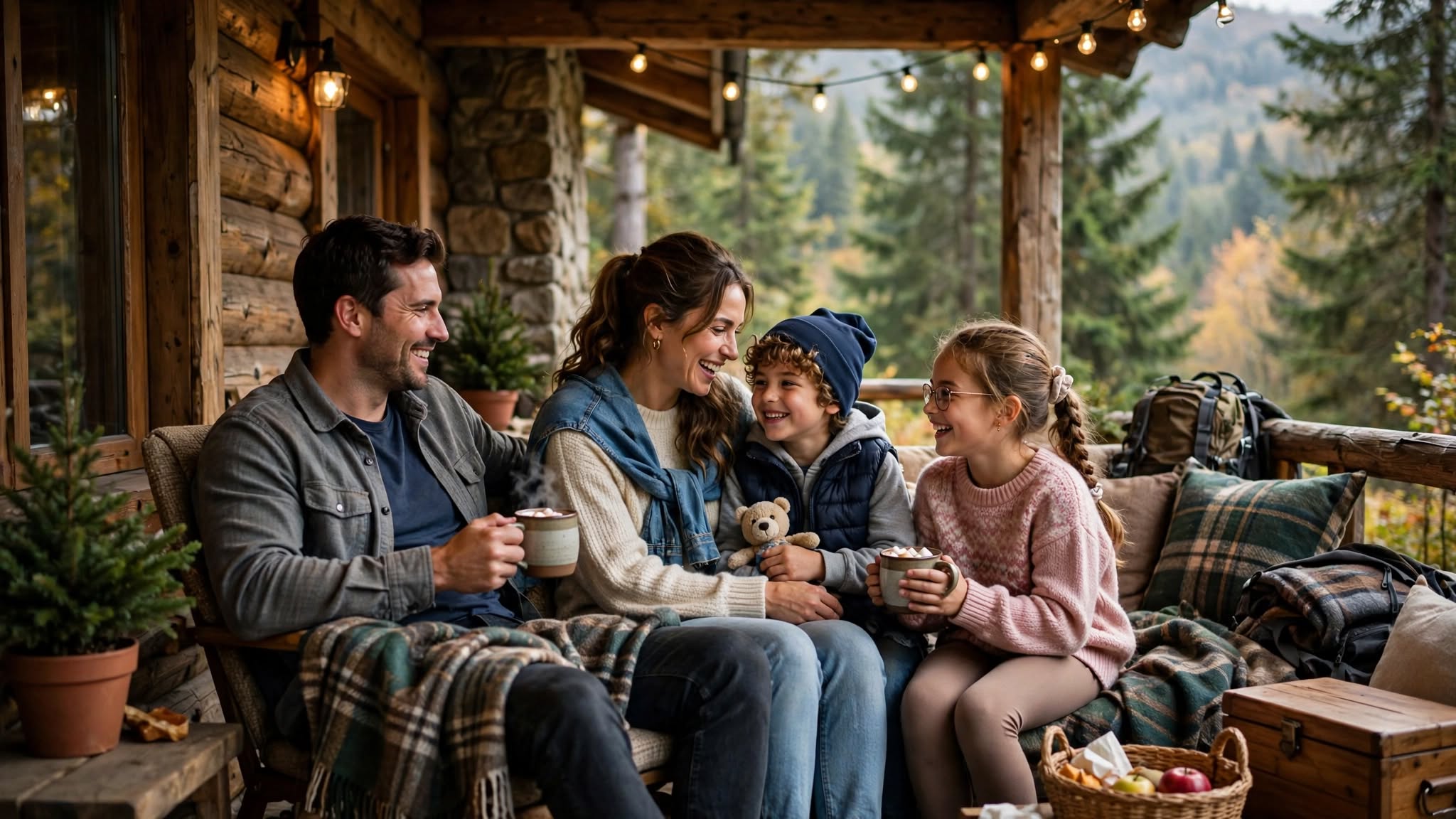
One of the main reasons families choose cabin camping is the added comfort. A typical camping cabin provides a solid roof, walls, doors, and proper sleeping areas. Depending on the property, it may also include heating, air conditioning, electricity, a private bathroom, or basic kitchen facilities.
These features can be particularly useful when traveling with small children or older relatives. Everyone still gets the experience of waking up close to nature, sitting outside in the evening, and enjoying activities such as walking or wildlife watching, but there is a comfortable indoor space to return to afterward.
Cabins also provide better protection from changing conditions. Rain during the night or a sudden drop in temperature is easier to manage when the family has a dry, enclosed place to sleep.
Traditional tent camping often involves a long packing list. Families may need tents, sleeping bags, air mattresses, ground covers, cooking equipment, lanterns, and other campsite essentials. The amount of equipment grows quickly when several people are traveling together.
Cabin camping reduces some of that preparation. Beds or sleeping platforms are commonly provided, although families should always check whether bedding is included. Some cabins also have tables, chairs, refrigerators, cooking appliances, or outdoor grills.
This does not mean families can arrive completely unprepared. Clothing, food, toiletries, outdoor gear, and personal items still need planning. However, removing bulky shelter and sleeping equipment from the packing list can make loading, unloading, and setting up much simpler.
Family trips often involve people with different comfort levels. One person may enjoy sleeping outdoors, while another may dislike tents or struggle with sleeping close to the ground.
A cabin creates a more flexible environment. Children have an enclosed place to rest after a busy day, adults have somewhere comfortable to sit, and family members can store clothing and personal belongings away from the weather.
Simple routines can become surprisingly complicated at a tent campsite. Changing clothes, getting children ready for bed, organizing bags, or preparing for a cold morning all take more effort in a small tent.
Cabins give families a defined indoor space for these routines. That can make mornings less rushed and evenings more relaxed, especially during longer camping holidays.
Food preparation is an important part of any family camping trip. A cabin with a kitchenette or refrigerator can expand the types of meals a family can prepare and make food storage more convenient.
Before arriving, check exactly what the cabin provides. A listing that mentions a kitchen may offer anything from a microwave and small refrigerator to a full cooking area. Families should confirm whether cookware, plates, utensils, a kettle, or cleaning supplies are available.
Even when cooking facilities are limited, simple meal planning helps. Sandwich ingredients, fruit, breakfast foods, snacks, and easy outdoor meals can reduce the amount of time spent preparing food and leave more time for family activities.
Cabin camping works particularly well when accommodation is meant to be a comfortable base rather than the main focus of the trip. During the day, families can hike, cycle, fish where permitted, visit nearby attractions, play outdoor games, or simply explore the campground.
Afterward, they can return to a sheltered space instead of reorganizing a tent site every evening.
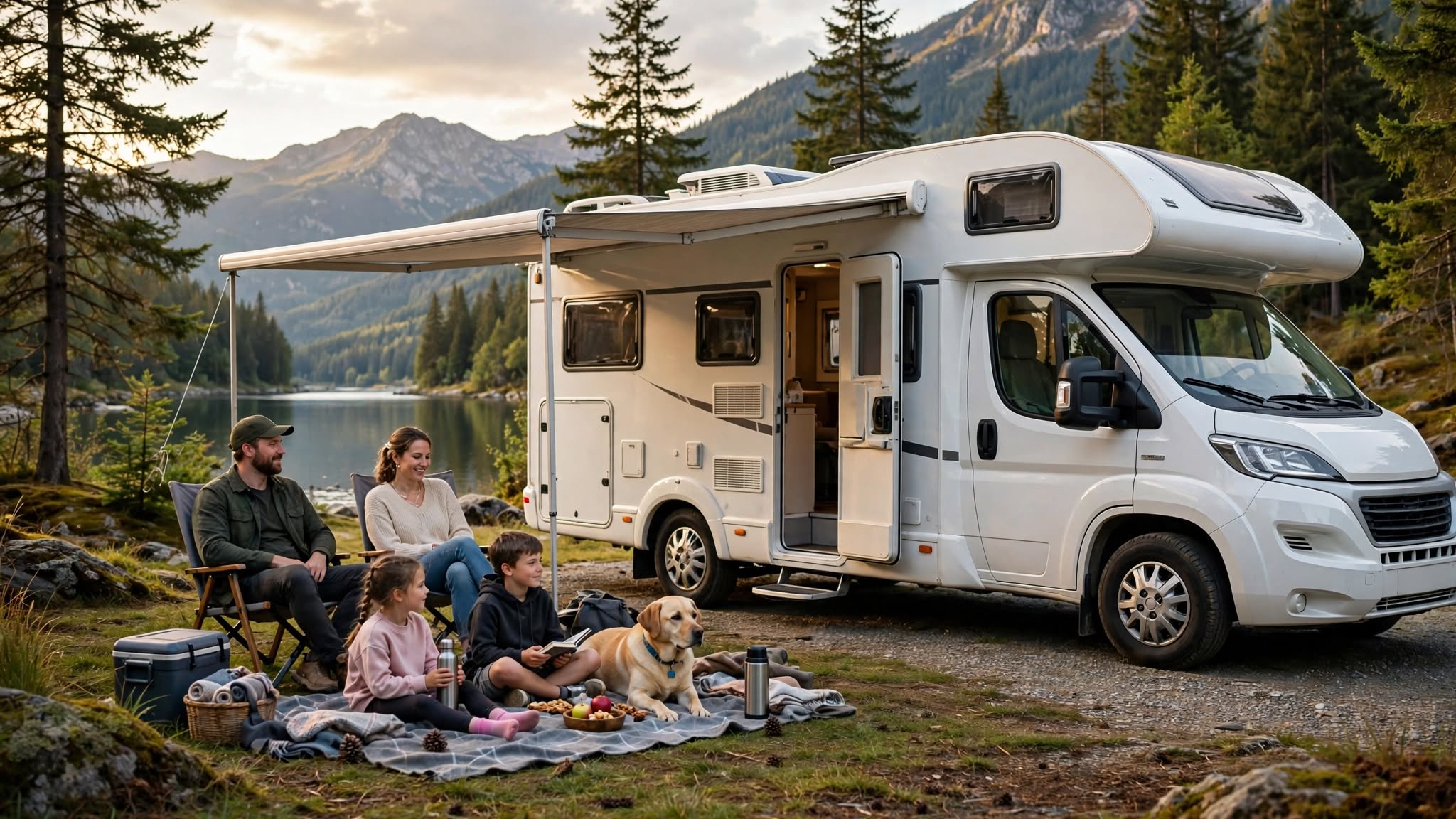
Families considering other styles of camping may also find Motorhome Camping Tips for a Smooth and Relaxing Journey useful when comparing how much equipment, preparation, and flexibility different types of accommodation require.
Cabins vary considerably, even within the same campground. A basic camping cabin may provide little more than beds and electricity, while a larger family cabin may have a bathroom, kitchen, separate bedrooms, and an outdoor seating area.
Before booking, check the sleeping capacity and bed arrangement rather than relying only on the stated number of guests. A cabin that sleeps six, for example, might use bunk beds or a sofa bed that will not suit every family.
Also check bathroom arrangements, cooking facilities, heating or cooling, parking, bedding requirements, pet rules, check-in procedures, and the distance to shared campground facilities. Looking at these details in advance helps families pack appropriately and avoid arriving without something important.
Cabin camping provides extra comfort, but it is not identical to staying in a hotel or holiday rental. Some cabins have shared bathrooms, limited cooking equipment, basic furniture, or no running water inside. Wi-Fi and mobile reception may also be limited in remote camping areas.
There may also be campground rules concerning quiet hours, campfires, vehicles, pets, and waste disposal. Families should read the accommodation details and campground policies before making a reservation.
For travelers who specifically want the experience of pitching a tent and sleeping fully outdoors, a cabin may feel less traditional. The right choice depends on how much comfort the family wants while still remaining close to outdoor activities.
A comfortable trip still benefits from simple preparation. Pack suitable clothing for the expected weather, comfortable outdoor footwear, reusable water bottles, basic first-aid supplies, and activities for quiet periods. If children are coming, a few familiar games, books, or bedtime items can help make the cabin feel more settled.
It is also worth leaving some free time in the schedule. A family camping getaway does not need every hour planned. Exploring a trail, having breakfast outdoors, playing near the cabin, or sitting together in the evening can become an enjoyable part of the trip without requiring a formal activity.
Cabin camping gives families a practical way to enjoy the outdoors without taking on every challenge associated with traditional tent camping. A solid shelter, more convenient sleeping arrangements, easier storage, and potentially useful cooking facilities can make a family trip simpler to organize.
The key is choosing a cabin that matches the family’s actual needs and checking its facilities before booking. With sensible packing and a flexible schedule, cabin camping can provide a comfortable base for spending meaningful time outdoors together.