
Using Shared Sanitary Facilities Comfortably on a Family Stay
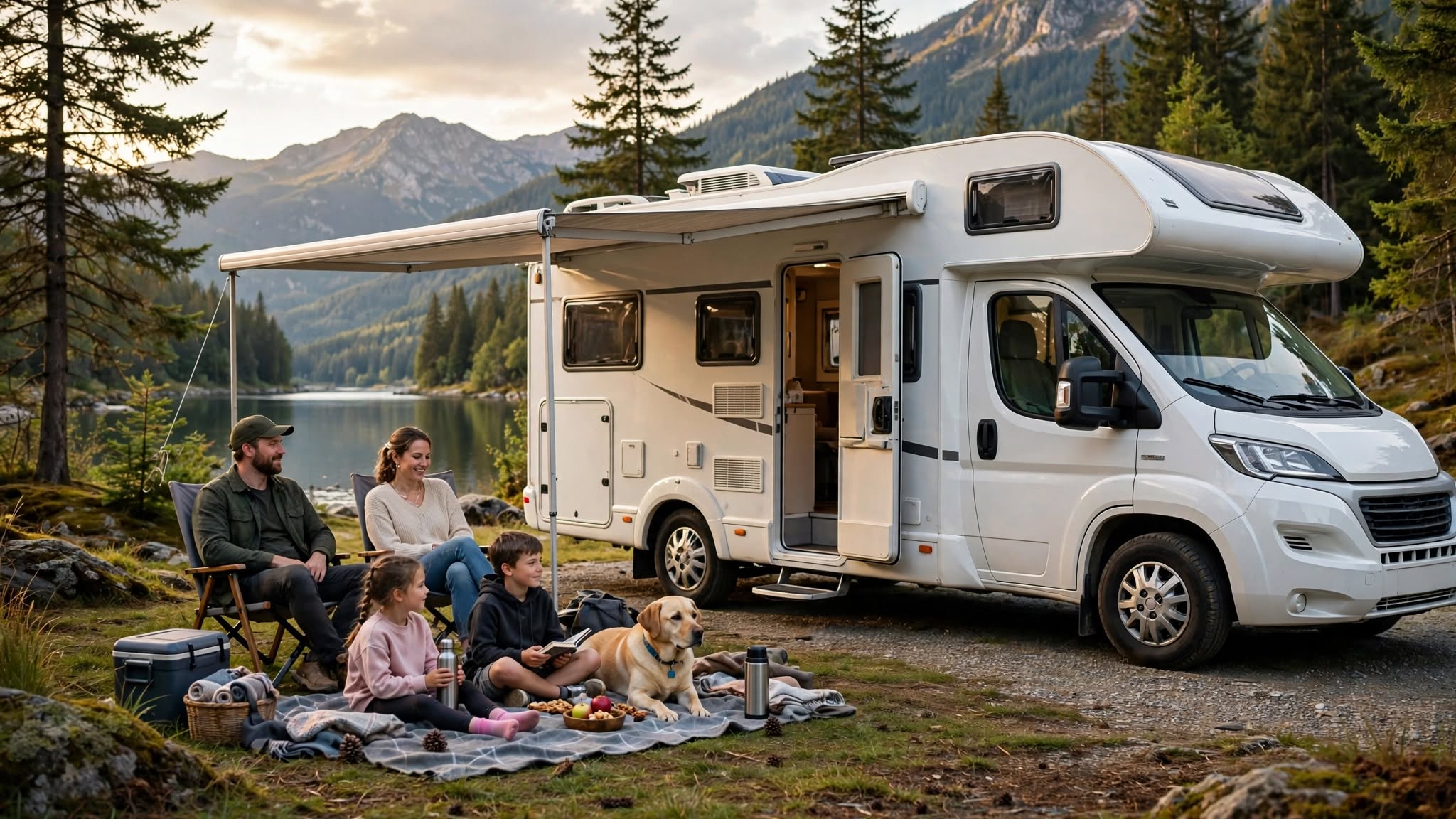
Motorhome camping offers a practical way to explore new places while keeping many everyday comforts close at hand. Modern motorhomes may also use energy storage systems, typically leisure batteries, to store electricity for lighting, refrigeration, device charging, water pumps, and other onboard equipment. When solar panels are installed, these batteries can hold some of the energy produced during daylight hours for use later. Understanding this basic power setup, alongside good route planning and campsite habits, can make a motorhome journey easier to manage.
The following motorhome camping tips cover preparation, driving, campsite setup, onboard power, water management, and everyday organization to help create a smoother and more relaxing trip.
A successful motorhome holiday starts with more than choosing an attractive destination. Motorhomes are larger and heavier than ordinary cars, so routes that appear convenient on a navigation app may include narrow roads, restricted access, low bridges, steep sections, or difficult parking areas.
Review the main route before leaving and identify suitable fuel stations, rest areas, campsites, and possible overnight stops. It is also sensible to have an alternative route available in case road conditions or access restrictions change.
Avoid creating an itinerary that requires long driving days followed by complicated campsite arrivals. Leaving extra time makes delays easier to handle and gives you more flexibility to stop along the way.
Basic vehicle preparation can prevent small problems from becoming major interruptions. Check tyres, exterior lights, mirrors, fluid levels, fuel, and visible signs of damage before departure.
Inside the motorhome, secure cupboards, drawers, tables, kitchen equipment, and other loose objects. Even lightweight items can move considerably during braking or cornering.
Before driving away from a campsite, remember to disconnect external power cables, close windows and roof vents where required, retract steps or awnings, and confirm that storage compartments are properly secured.
Electrical planning becomes especially important when camping without a continuous mains connection. A typical motorhome may have a separate leisure battery system that supplies electricity to the living area without relying entirely on the vehicle’s starter battery.
Different motorhomes use different battery technologies and configurations. Common options include lead-acid variants and lithium-based leisure batteries. Each has different characteristics involving usable capacity, weight, charging requirements, cost, and maintenance.
Rather than selecting a battery based only on its advertised capacity, consider what you actually expect to power. Someone mainly using LED lights and charging phones will have different requirements from a traveller running several electrical appliances.
Estimating daily electricity use is one of the most useful motorhome camping tips for off-grid travel. List the equipment you expect to operate and consider how much power each device uses and how long it normally runs.
Solar generation should also be treated realistically. Panel output can vary with weather, season, shading, panel orientation, and available daylight. A system that comfortably supports your needs in bright conditions may require more careful energy management during cloudy periods.
Motorhome batteries may be charged through solar panels, campsite electrical hookups, the vehicle’s charging system, or a combination of sources depending on the installation.
A charge controller manages electricity coming from solar panels before it reaches the battery. Some systems also use battery monitoring equipment that helps travellers understand remaining capacity and current consumption.
Efficiency matters because energy is lost during charging, conversion, wiring, and appliance operation. Inverters, which convert battery power into the type of electricity required by certain household-style appliances, also consume energy. Using suitable low-power equipment directly from the motorhome’s electrical system can sometimes reduce unnecessary conversion.
Reaching a campsite before you are tired or rushed makes setup considerably easier. Once you arrive, inspect the pitch before positioning the motorhome.
Consider whether the ground is firm and reasonably level, where electrical and water connections are located, and whether nearby trees or structures could interfere with an awning or shade solar panels.
If levelling equipment is needed, use it according to its intended purpose. A reasonably level motorhome can improve comfort and may also be important for the correct operation of certain onboard equipment.
Fresh water is valuable, particularly when staying away from fully serviced campsites. Simple habits such as turning off the tap while brushing your teeth and avoiding unnecessarily long showers can extend the time between refills.
Monitor wastewater and toilet storage as well. Empty these only at appropriate disposal facilities and follow the campsite’s instructions. Waiting until tanks are completely full can make departure planning unnecessarily stressful.
Carrying only the water you reasonably need may also help avoid transporting unnecessary weight.
Limited interior space can become cluttered quickly. Give frequently used items permanent storage locations and return them after use. Keep heavy objects low and properly secured while travelling.
It can also help to separate outdoor equipment, footwear, cooking supplies, and everyday personal items. Good organization is not simply about appearance; it makes packing, campsite departures, and finding essential equipment much easier.
One advantage of motorhome travel is the ability to adjust plans. An itinerary packed with fixed stops can remove much of that flexibility.
Weather may change, a campsite may not suit your expectations, or you may discover somewhere worth staying longer. Building spare time into the journey allows you to adapt without feeling that the entire schedule has been disrupted.
A comfortable motorhome holiday depends on preparation and sensible daily routines rather than complicated planning. Check the vehicle carefully, choose suitable routes, secure equipment before driving, and arrive at campsites with enough time for an organized setup.
For motorhomes using solar power and battery storage, understanding energy consumption is equally useful. Matching battery capacity to realistic needs, monitoring charging and discharging, accounting for changing solar conditions, and using electricity efficiently can make off-grid stays easier to manage.
Combined with careful water use, responsible waste disposal, organized storage, and a flexible itinerary, these motorhome camping tips can help reduce avoidable problems and leave more time to enjoy the journey.